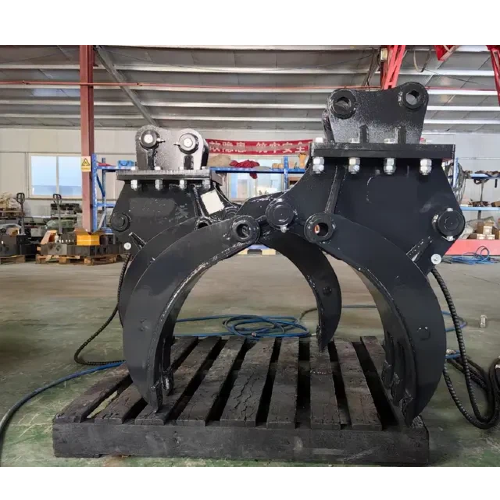
A hydraulic grapple is one of the most powerful and versatile attachments used in industries such as construction, forestry, recycling, mining, and agriculture. It is designed to grip, lift, move, and sort materials with precision and efficiency, enabling heavy machinery like excavators and loaders to handle even the toughest materials with ease.
Beyond its simple appearance, a hydraulic grapple is a highly engineered hydraulic attachment that converts hydraulic energy into mechanical movement. This enables controlled gripping and releasing actions that are both strong and smooth. Understanding what a hydraulic grapple is—and how it works—is key to selecting the right equipment for your operations.
Understanding the Basics of a Hydraulic Grapple
A grapple is a device used to grasp and manipulate materials. When hydraulics are added to the mechanism, it becomes a hydraulic grapple, allowing for significantly greater strength, precision, and control compared to mechanical or manual versions.
The hydraulic grapple operates through a system of pressurized hydraulic oil, which drives cylinders that open and close the grapple’s jaws. This allows the operator to adjust the grip pressure precisely, ensuring both secure handling and protection of the materials being lifted.
Unlike purely mechanical systems that rely on cables or levers, hydraulic systems deliver consistent and smooth motion, allowing the grapple to operate efficiently under continuous heavy-duty conditions. Whether handling large stones, metal scraps, or timber logs, the hydraulic power ensures consistent performance with minimal human effort.
Key Components of a Hydraulic Grapple
The effectiveness of a hydraulic grapple depends on the synergy between its structural and hydraulic components:
Hydraulic Cylinders – These are the power units that convert hydraulic fluid pressure into mechanical movement. They control the opening and closing of the grapple jaws with high precision.
Rotating Motor (optional) – Some grapples include a 360° rotating motor, allowing full movement for accurate positioning and alignment of materials.
Jaws or Tines – Designed from wear-resistant steel, they come in different shapes depending on the intended application—curved for logs, serrated for stones, or reinforced for demolition.
Linkage System – Transfers motion from the hydraulic cylinder to the jaws, maintaining balance and synchronization during operation.
Mounting Bracket – Securely attaches the grapple to the excavator’s arm, ensuring stability under heavy load conditions.
Hydraulic Hoses and Fittings – Deliver pressurized oil between the excavator and grapple, ensuring continuous and smooth operation.
Each of these elements must be precisely engineered to work in harmony, providing durability, responsiveness, and reliability under extreme stress.
Hydraulic System Integration
A hydraulic grapple is directly integrated into the excavator’s hydraulic circuit. When the operator activates the controls, hydraulic oil flows through the system to the grapple’s cylinders. The pressure from this fluid movement generates force that drives the jaws to open or close.
The level of hydraulic pressure and flow rate determines how quickly and powerfully the grapple responds. Most excavators allow operators to control these parameters, providing flexibility to handle light or heavy loads.
This system integration also allows bidirectional movement—the operator can easily switch between gripping and releasing functions. This seamless control is especially beneficial when working in confined spaces or with delicate materials that require precise handling.
Technical Definition of a Hydraulic Grapple
From a technical perspective, a hydraulic grapple can be defined as:
A hydraulically actuated attachment designed to grip, lift, and manipulate objects by converting hydraulic energy into mechanical clamping force through cylinders and linkages.
This definition highlights the two key functions of the device—hydraulic actuation and mechanical gripping. The hydraulic energy is supplied from the excavator’s main pump, which controls pressure and flow rate.
The result is a high-torque gripping mechanism capable of handling various materials without slippage or damage. Because the force is adjustable, the same grapple can be used for both delicate and heavy materials, ensuring operational flexibility across multiple industries.
Working Mechanism Explained Simply
Here’s how a hydraulic grapple operates in practical terms:
Activation – The operator triggers the hydraulic system via joystick or lever control.
Hydraulic Flow – Pressurized hydraulic oil travels through hoses into the grapple’s cylinders.
Cylinder Actuation – The pistons extend or retract, generating movement in the grapple’s jaws.
Force Transfer – Linkages translate this movement into a synchronized opening or closing motion.
Material Handling – The jaws grip, lift, move, or release materials with consistent precision.
Every step in this process is carefully engineered to maximize efficiency and minimize energy loss. The integration between the hydraulic pump, valve control, and cylinder ensures that even the heaviest loads can be handled with minimal effort and high precision.
Types of Hydraulic Grapples
Hydraulic grapples are available in various types, each designed for specific tasks. Understanding their differences helps users choose the best model for their needs.
Type of Hydraulic Grapple | Main Application | Key Features |
Demolition Grapple | Demolition and debris sorting | Strong clamping force, high-impact resistance |
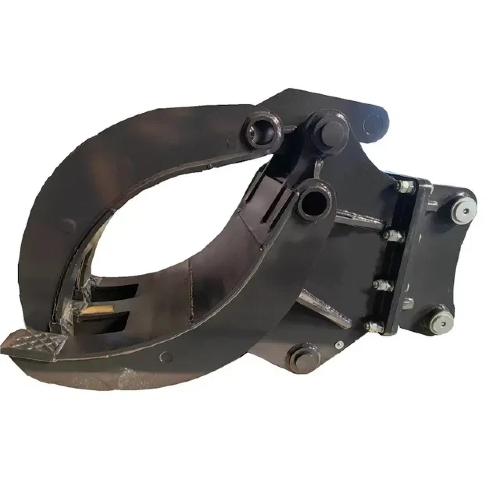
Log Grapple | Forestry and timber handling | Curved tines, wide jaw opening |
Stone Grapple | Construction and quarry work | Reinforced body, high tensile strength |
Sorting Grapple | Recycling and material recovery | 360° rotation, fine control |
Multi-purpose Grapple | General handling tasks | Adaptable design, interchangeable tips |
Each type is tailored to a specific working condition. For example, demolition grapples are reinforced with thicker steel for durability, while sorting grapples prioritize flexibility and precision.
Fixed vs. Rotating Hydraulic Grapples
Another major distinction lies in their rotation capability:
Fixed Hydraulic Grapples – These provide unmatched strength and stability. They are ideal for lifting heavy or solid materials, such as rocks or concrete.
Rotating Hydraulic Grapples – Equipped with a hydraulic rotator, they can rotate continuously, allowing operators to position materials accurately. This feature is especially useful for sorting and placement tasks.
Feature | Fixed Grapple | Rotating Grapple |
Rotation | No | 360° continuous |
Precision | High for lifting | Very high for sorting |
Maintenance | Low | Moderate |
Ideal Application | Demolition, rock handling | Forestry, recycling, scrap sorting |
Applications and Industries Using Hydraulic Grapples
Hydraulic grapples play a critical role in numerous sectors due to their adaptability and power.
1. Construction
They handle concrete debris, rebar, and large rubble, streamlining demolition and cleanup operations. The precise control reduces damage to surrounding structures and improves worksite safety.
2. Forestry
In forestry, hydraulic grapples are essential for handling logs, stumps, and branches. The curved tines and strong grip enable efficient timber loading and unloading with minimal risk of slippage.
3. Recycling and Waste Management
Used for sorting scrap metal and waste, hydraulic grapples help improve recycling efficiency by reducing manual handling. Their rotation and precision allow for quick material separation.
4. Agriculture
Farmers use hydraulic grapples for manure, hay bales, and organic waste management, significantly improving daily operation efficiency.
5. Mining and Quarrying
Heavy-duty stone grapples can move boulders and rocks under high-pressure conditions, providing stability and reducing downtime during material transportation.
Benefits of Hydraulic Grapples
Hydraulic grapples bring measurable performance advantages to equipment operations.
1. Greater Power and Control
Hydraulic systems offer variable pressure control, allowing operators to adjust grip force depending on material hardness or fragility.
2. Enhanced Efficiency
They handle large loads in a fraction of the time, minimizing manual labor and increasing productivity across job sites.
3. Versatile Functionality
With interchangeable jaws or rotating options, a single grapple can handle multiple types of materials.
4. Superior Durability
High-grade steel construction ensures long service life, even in abrasive or corrosive environments.
5. Operator Safety
By replacing manual handling, grapples reduce injury risks and improve operational safety standards.
Maintenance and Longevity
Proper maintenance ensures reliable and long-term performance:
Check hydraulic hoses and fittings for leakage.
Replace seals and bushings at scheduled intervals.
Clean the grapple regularly to remove dirt and residue.
Use high-quality hydraulic oil to avoid contamination.
Inspect rotator bearings and ensure smooth operation.
A well-maintained hydraulic grapple can serve efficiently for many years, maintaining its strength and precision.
Factors to Consider When Choosing a Hydraulic Grapple
Choosing the right grapple requires technical understanding of both the machine and application.
Machine Compatibility – Match grapple size and hydraulic flow to the host excavator.
Material Type – Select specialized jaw shapes for wood, metal, or stone.
Working Environment – Consider weather, temperature, and terrain conditions.
Hydraulic Specifications – Ensure correct flow rate and pressure.
After-Sales Support – Reliable service ensures continuous productivity and spare part availability.
Advantages Over Other Handling Tools
Criteria | Hydraulic Grapple | Mechanical Grapple | Manual Handling |
Power Source | Hydraulic system | Mechanical linkage | Human force |
Efficiency | Very high | Moderate | Low |
Control Precision | Excellent | Limited | None |
Safety | High | Average | Low |
Maintenance | Moderate | Low | None |
Versatility | High | Medium | Low |
The comparison clearly shows that hydraulic grapples outperform traditional alternatives in efficiency, safety, and operational control.
Conclusion
A hydraulic grapple is a sophisticated attachment that enhances the power, precision, and versatility of hydraulic machinery. It operates through advanced hydraulic principles that convert fluid energy into mechanical strength, allowing heavy-duty machines to perform tasks once considered difficult or unsafe.
Understanding the definition, structure, and working mechanism of hydraulic grapples enables users to choose the right model, optimize productivity, and ensure safer, more efficient material handling.
For those seeking high-quality hydraulic grapples and other hydraulic attachments, Yantai Rocka Machinery Co., Ltd. offers advanced solutions engineered for durability, strength, and precision—ideal for industries that demand performance and reliability.


