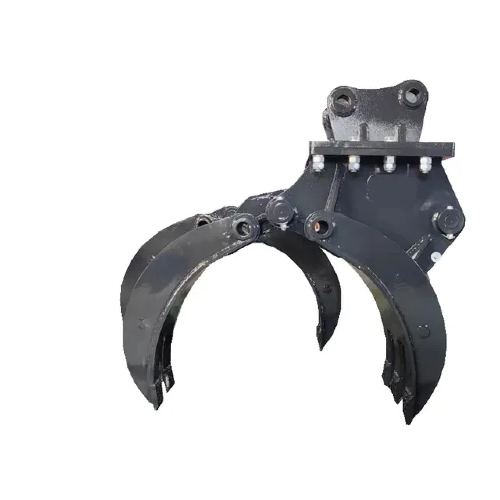
Hydraulic grapples have become an indispensable attachment for excavators and loaders across industries such as construction, forestry, recycling, and demolition. Their versatility, strength, and precision make them ideal for handling a variety of materials safely and efficiently. Understanding the types of hydraulic grapples and their applications can help operators and companies select the right tool for their specific needs, maximizing both productivity and return on investment.
Introduction to Hydraulic Grapples
A hydraulic grapple is a specialized attachment equipped with claws or tines operated through a hydraulic system. These grapples use hydraulic cylinders to provide strong gripping force and precise control, allowing operators to lift, move, sort, and position materials that would otherwise require significant manual labor or multiple machines.
Hydraulic grapples are particularly valued for their versatility, efficiency, and safety, offering advantages over traditional mechanical grapples. They can handle diverse materials, including wood, rocks, concrete debris, scrap metal, and waste, making them a preferred choice in industrial applications.
The main benefits of hydraulic grapples include:
Faster handling of heavy or irregular materials
Enhanced operator safety by reducing manual handling
Precision control through hydraulic mechanisms
High durability and reliability under demanding conditions
Main Components of a Hydraulic Grapple
Understanding the structure of a hydraulic grapple is essential to appreciate its functionality and performance.
Hydraulic Cylinder
The hydraulic cylinder is the core component that generates the gripping force. Hydraulic oil is pumped into the cylinder to extend or retract the piston, controlling the opening and closing of the jaws.
Jaws (Tines or Claws)
The jaws, also called tines or claws, are the parts that physically grip and hold materials. Their design can vary depending on the intended application, from wide and curved for logs to serrated for rocks and demolition debris.
Rotator and Linkage System
Many grapples include a rotator that allows 360-degree rotation of the jaws, providing maximum flexibility and precise positioning. The linkage system transmits the cylinder’s motion to the claws efficiently.
Mounting and Hydraulic Hoses
The grapple attaches securely to the machine’s arm via a mounting bracket. Hydraulic hoses connect the grapple to the excavator’s hydraulic system, allowing the transfer of pressurized oil to the cylinders.
Control Valve and Pressure System
Operators control the grapple’s movement through the machine’s hydraulic controls. Pressure regulation ensures smooth operation, allowing delicate handling of fragile materials or strong force for heavy-duty tasks.
Classification of Hydraulic Grapples by Function
Hydraulic grapples are classified based on their design and primary application. Each type offers unique features to meet specific operational requirements.
Sorting Grapples
Sorting grapples feature wide, light tines designed for handling loose, irregular, or lightweight materials. They are ideal for recycling and waste management applications where materials need to be sorted efficiently.
Performance Characteristics:
Lightweight and precise
Smooth operation for delicate materials
Ideal for sorting wood, plastics, and light scrap
Demolition Grapples
Demolition grapples are reinforced with heavy-duty steel to handle concrete, steel, and other dense construction debris. They offer high strength, durability, and precision control, making them essential for demolition projects.
Performance Characteristics:
Strong gripping force
Reinforced claws to handle heavy materials
Precise control for selective demolition
Log and Timber Grapples
Designed for forestry operations, log grapples have wide-opening, curved claws that can securely hold large logs. They enhance loading, stacking, and transportation efficiency while minimizing damage to timber.
Performance Characteristics:
Wide jaw opening
Curved claws for secure log handling
Durable for outdoor use
Stone and Rock Grapples
Stone grapples are built to handle irregular and heavy rocks. They often have serrated jaws for a stronger grip and stable operation, making them suitable for construction, landscaping, and quarrying.
Performance Characteristics:
Strong, reinforced structure
Serrated tines for stability
Handles uneven and heavy materials
Scrap and Waste Grapples
Scrap grapples feature multiple tines and often a rotator for handling irregularly shaped scrap metal or waste. They are commonly used in recycling yards and waste transfer stations.
Performance Characteristics:
Multi-tine design for irregular shapes
360-degree rotation for continuous operation
Efficient handling of metal, plastic, and mixed waste
Orange Peel Grapples (Multi-Tine)
Orange peel grapples are specialized for loose scrap metal handling. Their design allows maximum material volume to be lifted with precision and speed, making them highly efficient in scrap recycling operations.
Performance Characteristics:
Multi-tine design for maximum coverage
Synchronized hydraulic cylinders for controlled gripping
Ideal for heavy scrap metal sorting
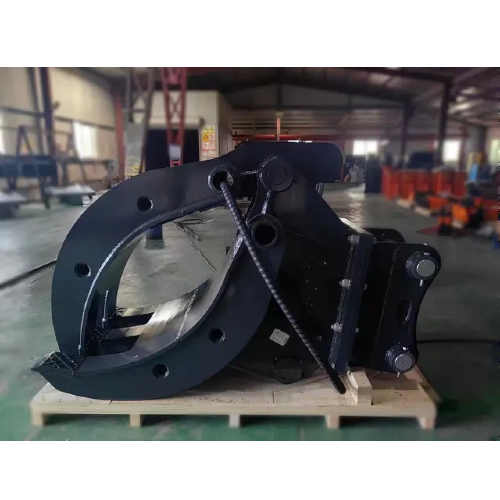
Comparison Table of Different Hydraulic Grapple Types
Type | Structure Design | Best Application | Key Advantage | Typical Material Handled |
Sorting Grapple | Light & wide tines | Recycling, sorting | High precision | Wood, plastics, light scrap |
Demolition Grapple | Reinforced frame | Construction | High durability | Concrete, steel debris |
Log Grapple | Long curved arms | Forestry | Wide jaw opening | Timber, logs |
Rock Grapple | Serrated jaws | Landscaping | Strong grip | Rocks, stones |
Scrap Grapple | Multi-tine claws | Scrap yards | 360° rotation | Metal waste, mixed waste |
Orange Peel Grapple | Closed claw set | Metal recycling | Maximum volume | Loose scrap metal |
Factors to Consider When Choosing a Hydraulic Grapple
Selecting the right hydraulic grapple is critical to ensure efficiency, safety, and machine compatibility.
Machine Compatibility
The grapple must match the carrier machine’s weight, hydraulic flow, and pressure specifications to function properly and prevent damage.
Material Type
Different grapples are optimized for different materials. For example, log grapples handle timber efficiently, while demolition grapples are suited for heavy concrete.
Job Environment
Consider whether the work involves outdoor rough terrain, tight urban spaces, or recycling yards. This affects the choice of jaw design, rotation capability, and structural strength.
Maintenance Accessibility
A good grapple should have easily replaceable pins, bushings, and hydraulic components to reduce downtime and simplify maintenance.
Rotation and Control
Full rotation capability improves material placement flexibility, while proportional hydraulic control ensures delicate handling and precise movement.
Key Benefits of Using Hydraulic Grapples
Hydraulic grapples provide significant advantages across operations.
Improved Efficiency and Productivity: Faster material handling reduces operational time.
Reduced Labor and Costs: One machine can replace multiple manual workers or simpler attachments.
Enhanced Safety: Operators remain in the cab, reducing exposure to hazards.
Versatility: Handles a wide range of materials and job types.
Durability: Built to withstand harsh environments and heavy workloads.
Applications of Hydraulic Grapples in Different Industries
Construction and Demolition
Hydraulic grapples are used to lift, sort, and remove concrete, steel, and debris safely and efficiently, streamlining demolition projects.
Forestry and Logging
Log grapples facilitate timber loading, stacking, and transport, reducing labor and minimizing material damage.
Recycling and Waste Management
Sorting and scrap grapples accelerate waste handling, improve sorting accuracy, and optimize recycling processes.
Scrap and Metal Recycling
Orange peel and multi-tine grapples handle irregular scrap metal efficiently, supporting continuous operations and maximizing volume handled per cycle.
Mining and Quarrying
Rock and stone grapples assist in lifting and moving heavy or uneven materials with precision, improving operational safety and workflow.
Maintenance and Operational Tips for Hydraulic Grapples
Proper maintenance extends the life of a hydraulic grapple and ensures consistent performance.
Routine Inspection
Inspect tines, pins, and bolts for wear or damage.
Check hydraulic hoses and seals for leaks.
Confirm jaw alignment and rotation mechanism functionality.
Hydraulic System Maintenance
Use high-quality hydraulic oil and replace filters regularly.
Monitor for slow movement or irregular gripping, which may indicate pressure issues.
Avoid overloading beyond rated capacity to prevent damage.
Cleaning and Storage
Clean debris after each use to prevent corrosion.
Store the grapple in a dry, covered area when not in use.
Regularly lubricate moving parts for smooth operation.
Future Trends in Hydraulic Grapple Technology
The hydraulic grapple industry continues to evolve with innovations focused on efficiency, safety, and sustainability.
Advanced Materials: High-strength, lightweight steel improves durability without adding weight.
Automation and Sensors: Intelligent hydraulic systems allow semi-automated gripping and load monitoring.
Energy Efficiency: Improved hydraulic designs reduce energy consumption.
Integration with Smart Machinery: Grapples increasingly interface with GPS, telemetry, and AI for optimized operation.
Eco-Friendly Designs: Manufacturers are developing grapples that reduce noise, emissions, and hydraulic fluid waste.
Conclusion
Hydraulic grapples are highly versatile, efficient, and durable attachments essential for industries such as construction, forestry, recycling, demolition, and mining. Selecting the right type—whether it’s a sorting, demolition, log, rock, scrap, or orange peel grapple—ensures maximum productivity, precise material handling, and enhanced workplace safety. These attachments not only streamline operations but also reduce labor costs and improve overall efficiency on any job site.
For companies and operators seeking reliable, high-performing hydraulic grapple solutions, Yantai Rocka Machinery Co., Ltd. offers a wide range of advanced attachments engineered for strength, durability, and long-lasting performance. With expertise in manufacturing high-quality hydraulic grapples and tailored support for diverse industrial applications, they provide solutions that meet the demanding needs of modern material-handling operations.
To explore their full range of hydraulic grapple products, learn about specifications, or request a consultation, visiting Yantai Rocka Machinery Co., Ltd. is highly recommended. Their professional team can help you identify the ideal grapple for your equipment and operational requirements, ensuring maximum efficiency and return on investment.


