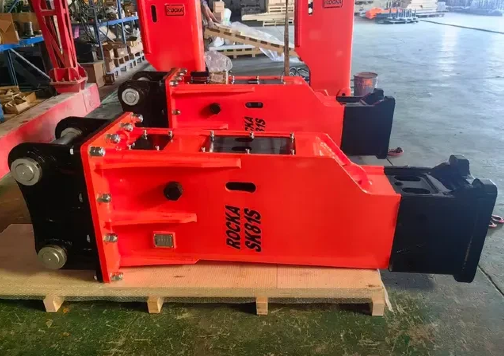
In the construction industry, efficiency, safety, and precision are essential to completing projects on time and within budget. Excavators are already recognized for their versatility, handling tasks ranging from digging trenches to lifting heavy loads. However, when paired with attachments like hydraulic breakers, these machines become even more effective and indispensable on construction sites. Hydraulic breakers are particularly useful for tasks like demolition, rock breaking, and concrete removal.
In this article, we’ll explore the top five benefits of using an excavator hydraulic breaker for construction projects. From increasing productivity to enhancing safety, these powerful attachments are key to ensuring smoother operations and higher-quality results.
1. Increased Efficiency and Productivity
One of the most compelling reasons construction companies use excavator hydraulic breakers is the significant boost in efficiency and productivity they provide. Construction projects often involve tough, time-consuming tasks such as breaking through concrete, asphalt, and rock. Traditionally, these materials would require manual labor or cumbersome equipment that would take up much more time and effort.
Hydraulic breakers, which are powered by the excavator’s hydraulic system, utilize the machine’s force to deliver consistent, high-impact power. This means the hydraulic breaker can break through tough materials such as concrete and rock much faster and more effectively than hand tools or conventional machines.
This efficiency drastically reduces the time needed to complete the task at hand. For example, in a demolition project, the hydraulic breaker attachment can break down walls, structures, or road surfaces in a fraction of the time compared to manual labor, thus accelerating the demolition process. The quicker demolition allows workers to move on to other tasks without waiting for extensive removal of materials. In turn, this boosts productivity across all stages of construction, from demolition to excavation.
The ability to speed up the project cycle also lowers overall labor costs. Since fewer workers are needed for manual labor, and the hydraulic breaker can accomplish the same amount of work in a shorter time, contractors can optimize resources. Moreover, reduced idle time for equipment means a higher return on investment (ROI) from machinery usage, as the equipment spends more time working and less time idle.
Additionally, project timelines are shortened, and tasks that once took hours or even days can now be completed in minutes, all thanks to the power of hydraulic breakers. Construction teams can now meet deadlines more easily, leading to improved client satisfaction and greater opportunities for future contracts.
2. Precision and Control
Another significant advantage of using an excavator hydraulic breaker is the precision and control it offers during demolition and excavation work. Unlike traditional methods of demolition, which can be rough and unpredictable, hydraulic breakers provide the operator with fine control over where and how force is applied.
This is particularly beneficial when working in confined spaces or in projects where surrounding structures must be preserved. For example, when a construction project involves breaking up pavement or road surfaces near sensitive infrastructure such as water pipelines or electric lines, using a hydraulic breaker enables operators to carefully target specific areas without damaging the surroundings.
The ability to adjust the impact force on hydraulic breakers adds another layer of control. For softer materials, the operator can adjust the power to apply less force and reduce wear and tear on both the equipment and the material being worked on. Conversely, for tougher materials like large rocks or thick concrete slabs, the operator can increase the power to ensure the material is broken down efficiently.
Moreover, the various sizes and models of hydraulic breakers available ensure that contractors can choose the right tool for the job. For lighter tasks like breaking up small concrete slabs or paving, smaller breakers can be used, while larger models are designed to handle more robust tasks like rock-breaking or large-scale demolition.
The control and adaptability that come with hydraulic breakers allow for more targeted demolition or excavation work, reducing the risk of collateral damage and increasing the overall quality of the project.
3. Reduced Labor Costs and Increased Safety
Hydraulic breakers are not just about increasing productivity; they also significantly contribute to reducing labor costs and enhancing safety on construction sites. Manual demolition methods are labor-intensive and can be physically demanding, often requiring workers to wield heavy tools like sledgehammers or jackhammers for extended periods of time. This not only increases the risk of worker fatigue but also exposes them to physical injuries, such as strains, sprains, and even serious accidents.
By using an excavator hydraulic breaker, much of the physical labor is transferred to the machine itself, which helps reduce the number of workers needed on-site for heavy demolition work. With fewer manual tasks involved, companies can reduce their overall labor costs, ensuring that fewer workers are needed to complete specific jobs.
Additionally, the use of hydraulic breakers helps eliminate the need for specialized labor, such as those who would traditionally operate large, bulky machinery. The hydraulic breaker attachment is operated from the safety of the excavator's cab, which is fully enclosed, offering protection from hazardous materials and flying debris that might be present during demolition or excavation.
On the safety front, the automated nature of hydraulic breakers helps minimize accidents associated with manual labor. By allowing the excavator operator to control the breaker from a safe distance, workers avoid being exposed to the risks of flying debris or sudden equipment malfunctions. Additionally, hydraulic breakers can break materials much faster and with less physical strain, which reduces the amount of time workers spend in potentially hazardous environments.
Safety standards are a crucial consideration on construction sites, and the use of hydraulic breakers significantly reduces the chance of injury while improving compliance with industry safety regulations. With a reduced risk of accidents and injuries, employers can maintain a healthier workforce and reduce costs related to worker compensation claims and medical expenses.
4. Versatility in a Variety of Applications
Excavator hydraulic breakers are highly versatile tools that can be used in a wide range of construction applications. While demolition is their primary function, these breakers can also be used in various other stages of construction, from excavation and trenching to rock breaking and roadwork. Their ability to handle such a variety of tasks makes them a valuable asset for construction companies that want to maximize the utility of their machinery.
Here are just a few examples of how hydraulic breakers can be used in construction projects:
Demolition: Whether you're tearing down old buildings, bridges, or walls, hydraulic breakers provide the power needed to break concrete, brick, and stone. The precision and impact force of these tools ensure that the demolition process is both effective and efficient.
Roadwork and Pavement Removal: Hydraulic breakers excel at removing old road surfaces or asphalt during resurfacing projects. They can quickly break up large sections of pavement with minimal disruption to the surrounding area. This makes them ideal for road construction or repair jobs where fast work is essential.
Trenching and Excavation: When preparing for utilities installation or foundation work, hydraulic breakers can break through hard soils, rocks, and other obstacles. This allows for faster trenching and excavation compared to traditional methods, which would require a lot of manual labor or slow excavation machinery.
Mining and Quarrying: Hydraulic breakers are also widely used in mining operations for breaking rocks and ore deposits. They help reduce large rocks into smaller, more manageable sizes for easier processing. This application is critical in operations that deal with hard rock mining, as the tools can break through difficult surfaces efficiently.
By reducing the need for multiple different types of equipment, hydraulic breakers also reduce equipment costs and streamline operations. Construction companies can handle multiple tasks with one machine, ensuring better cost management while also increasing overall productivity.
5. Cost-Effective and Long-Term Investment
While the initial cost of purchasing a hydraulic breaker attachment may seem high, it is an investment that quickly pays for itself in terms of performance and long-term value. These attachments are durable, high-performance tools that can handle some of the most demanding tasks on a construction site, and their long lifespan ensures they provide value for years.
Hydraulic breakers are engineered to withstand harsh conditions, including extreme temperatures, vibrations, and continuous use. This rugged design ensures that the breaker can perform reliably under the toughest of circumstances, reducing the need for frequent repairs or replacements.
Another key factor contributing to the cost-effectiveness of hydraulic breakers is their low maintenance needs. Unlike larger machinery that may require regular upkeep, hydraulic breakers are designed for minimal downtime and long-term performance. With proper care, they require fewer repairs and can provide years of consistent, efficient service.
Additionally, the versatility of hydraulic breakers, as mentioned earlier, makes them an excellent investment for construction companies. Instead of purchasing multiple machines for different jobs, a company can rely on a single excavator hydraulic breaker attachment to handle a wide variety of tasks, from demolition to excavation and beyond. This consolidation of equipment helps lower overall capital expenses while maintaining high operational efficiency.
Furthermore, the time savings and productivity gains achieved by using hydraulic breakers contribute directly to cost savings. Faster work means shorter project timelines, which translates to fewer labor hours and a quicker return on investment. The quicker a project is completed, the more profitable it becomes for construction companies.
Conclusion
The excavator hydraulic breaker is a powerful, versatile, and cost-effective tool that offers significant advantages for construction projects. From improving efficiency and productivity to offering precision and control, reducing labor costs, enhancing safety, and providing long-term value, hydraulic breakers are a must-have for construction companies seeking to stay competitive and improve project outcomes.
By incorporating hydraulic breakers into their fleet of equipment, construction teams can tackle tough jobs with ease, ensuring faster project timelines, better safety standards, and a more efficient use of resources. As construction continues to evolve and demands for speed and precision increase, the hydraulic breaker is poised to remain one of the most valuable attachments on construction sites around the world.


