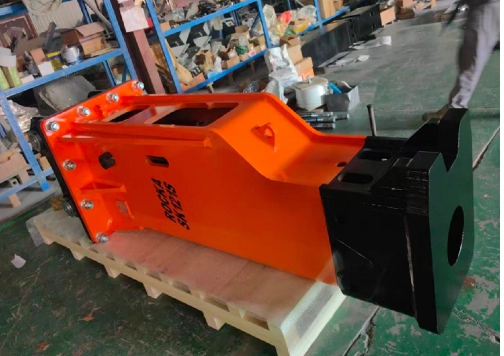
Mining is one of the world’s oldest and most resource-intensive industries, but modern technology continues to transform how raw materials are extracted and processed. Among the many tools that have revolutionized mining operations, the hydraulic breaker stands out as a key piece of equipment that improves both productivity and efficiency. These powerful machines are widely used for breaking rock, concrete, and other hard materials, reducing reliance on explosives and manual labor. In today’s mining sector, hydraulic breakers not only help improve output but also minimize downtime, making them indispensable tools for operators.
This article explores what hydraulic breakers are, how they work, their applications in mining, and the ways they contribute to efficiency and reduced downtime.
1. What Is a Hydraulic Breaker?
A hydraulic breaker, sometimes referred to as a rock breaker or hydraulic hammer, is an attachment that connects to heavy machinery such as excavators, backhoes, or skid steers. Powered by hydraulic systems, the breaker uses pressurized oil to drive a piston, which repeatedly strikes a chisel or tool bit. The result is a powerful impact force capable of breaking through extremely hard materials such as granite, limestone, and reinforced concrete.
Unlike explosives or traditional drilling and blasting methods, hydraulic breakers provide precise, controlled demolition. They can be used continuously for long periods and are especially effective in environments where controlled fragmentation is required without causing excessive vibrations or structural damage.
2. How Hydraulic Breakers Work in Mining
Hydraulic breakers are designed to withstand the harsh conditions of mining sites. Their core function is to provide repetitive high-impact blows to break rocks into manageable sizes for removal or further processing. The working principle is relatively straightforward:
Hydraulic Pressure Input – The excavator’s hydraulic system delivers pressurized oil to the breaker.
Piston Movement – The pressurized oil drives a piston up and down inside the breaker housing.
Impact Delivery – The piston strikes the chisel or tool bit, which then transfers energy directly into the rock or material.
Repetition – The process repeats rapidly, creating hundreds of impacts per minute, breaking the material efficiently.
This continuous impact allows operators to fragment rocks without explosives, making mining safer, more predictable, and often more cost-effective.
3. Key Applications of Hydraulic Breakers in Mining
Hydraulic breakers are versatile and play multiple roles in mining operations. Their main applications include:
Primary Rock Breaking
When large rocks or boulders obstruct excavation, hydraulic breakers are used to fragment them into smaller pieces. This helps maintain the flow of material without resorting to costly and time-consuming blasting.
Secondary Breaking
After blasting, oversized rocks often remain. Hydraulic breakers efficiently break these “boulders” into transportable sizes, ensuring smooth loading and hauling operations.
Tunnel Excavation
In underground mining, hydraulic breakers are vital for tunneling projects, where precision and controlled rock removal are essential.
Scaling and Bench Work
Hydraulic breakers are used to remove loose rocks from tunnel roofs, walls, and benches, improving safety for workers and equipment.
Demolition of Concrete Structures
In mines with infrastructure such as conveyor systems, processing plants, or concrete supports, hydraulic breakers are useful for dismantling outdated or damaged structures.
4. Benefits of Hydraulic Breakers in Mining
The use of hydraulic breakers in mining offers numerous advantages, particularly when it comes to improving productivity and reducing downtime.
a Increased Productivity
Hydraulic breakers provide continuous and efficient rock-breaking capabilities. Unlike blasting, which requires preparation, safety clearances, and downtime, breakers can operate as part of the daily workflow. Their ability to quickly handle oversized material prevents bottlenecks in the excavation and hauling process.
b Reduced Downtime
One of the biggest challenges in mining is equipment downtime. Blockages caused by large rocks or delays in blasting schedules can halt operations. Hydraulic breakers allow operators to address these issues immediately. With a breaker on site, downtime caused by oversized material is minimized, ensuring a steady flow of ore to processing facilities.
c Cost Efficiency
Although hydraulic breakers represent an investment, they significantly lower operational costs by reducing the need for explosives, additional drilling, and manpower. Fuel savings also add up, as fewer cycles are wasted dealing with oversized materials.
d Safety Improvements
Breakers enhance safety by reducing the reliance on explosives, which carry inherent risks. Controlled breaking minimizes flying debris, reduces vibration damage, and allows work in confined or sensitive areas where blasting would be unsafe.
e Versatility
Hydraulic breakers are not limited to one application. From quarrying and open-pit mining to underground excavation and demolition, their versatility makes them a multi-purpose tool.
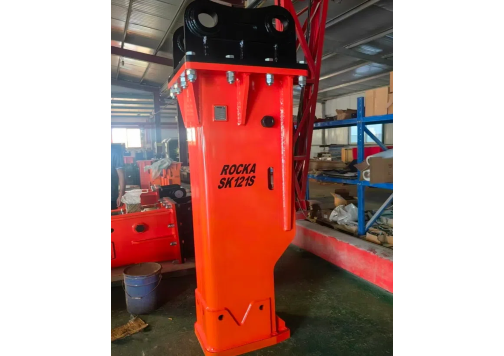
5. Choosing the Right Hydraulic Breaker for Mining
The performance and efficiency of a hydraulic breaker depend on selecting the right model for the job. Several factors must be considered:
Carrier Compatibility – The breaker must match the excavator’s hydraulic flow and pressure specifications.
Material Hardness – Tougher rock types require heavier and more powerful breakers.
Duty Cycle – Frequent and continuous use calls for breakers with robust cooling systems and durable components.
Tool Selection – The type of chisel or tool bit (e.g., moil point, blunt tool, or chisel) should be chosen based on the material being broken.
Maintenance Requirements – Breakers designed with easy-to-access lubrication points and wear-resistant materials offer better long-term reliability.
6. Maintenance and Best Practices
Proper maintenance is essential to maximize the service life of hydraulic breakers and keep mining operations running smoothly. Best practices include:
Regular Lubrication – Greasing the tool bit reduces wear and prevents overheating.
Inspection of Tool and Bushings – Worn parts should be replaced promptly to avoid costly damage.
Monitoring Hydraulic Pressure – Keeping pressure levels within recommended ranges prevents damage to both the breaker and carrier.
Avoiding Blank Firing – Operating the breaker without contact with material causes internal stress and reduces lifespan.
Scheduled Servicing – Routine checkups and timely replacement of seals and components extend operational efficiency.
By following these practices, mining companies can ensure that their hydraulic breakers deliver maximum productivity with minimal interruptions.
7. The Future of Hydraulic Breakers in Mining
As mining evolves, hydraulic breakers are also becoming more advanced. Manufacturers are integrating smart technologies such as:
Automatic Lubrication Systems to reduce manual maintenance.
Noise and Vibration Reduction Designs for improved operator comfort and compliance with environmental regulations.
Telematics and Monitoring Systems that track breaker usage, performance, and wear in real time.
Energy-Efficient Designs to lower fuel consumption and carbon emissions.
These innovations will make hydraulic breakers even more valuable in the future, enabling mining companies to meet rising demand while maintaining sustainable practices.
Conclusion
Hydraulic breakers have become essential tools in modern mining. Their ability to improve productivity, minimize downtime, and enhance safety makes them indispensable for both open-pit and underground operations. From breaking oversized rocks to maintaining smooth excavation workflows, they ensure that mining companies can meet production targets efficiently and safely.
For mining businesses seeking reliable, durable, and high-performance hydraulic breakers, it’s important to partner with an experienced manufacturer. Yantai Rocka Machinery Co., Ltd. offers a wide range of hydraulic breakers designed for demanding mining applications. With advanced engineering, robust construction, and a commitment to quality, they provide solutions that help operators maximize output while reducing operational costs. To explore more about their hydraulic breaker options and services, you can connect with the company for tailored support.


