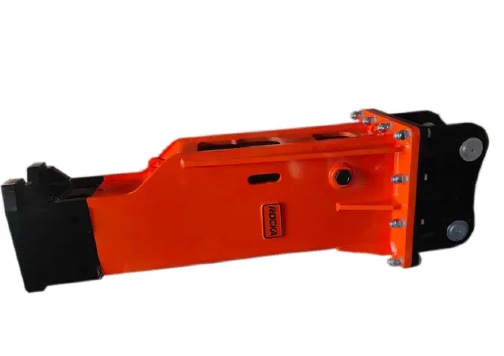
Excavators are essential pieces of equipment in the construction and demolition industry. When paired with hydraulic breakers, they become even more powerful tools for breaking concrete, rock, asphalt, and other tough materials. Hydraulic breakers are used for a wide range of tasks, including demolition, trenching, and mining, and they can greatly enhance the efficiency of an excavation job.
In this article, we'll explore tips and tricks to maximize productivity when using excavator hydraulic breakers, ensuring that you get the most out of your equipment. Whether you're a seasoned operator or new to this type of machinery, this guide will help you understand how to improve performance, extend the life of your breaker, and keep operations running smoothly.
Understanding Excavator Hydraulic Breakers
Before diving into the tips and tricks, it’s important to have a solid understanding of how hydraulic breakers work and their role in excavation tasks.
What is a Hydraulic Breaker?
A hydraulic breaker is an attachment mounted on an excavator that uses hydraulic power to deliver powerful impacts. These impacts are used to break rock, concrete, or other materials into smaller, manageable pieces. The force from the hydraulic breaker is transmitted through a piston inside the attachment, which strikes a chisel or tool at high speed. This makes hydraulic breakers highly effective for breaking through tough materials quickly and efficiently.
Types of Hydraulic Breakers
There are several types of hydraulic breakers available, with different designs tailored to specific jobs. Common types include:
Silenced Breakers: These are designed to reduce noise levels during operation, making them ideal for use in urban areas or noise-sensitive environments.
Vibration-Resistant Breakers: These are ideal for jobs where excessive vibrations could cause damage to the machine or operator discomfort.
Heavy-Duty Breakers: Designed for use in demolition or mining operations, these breakers can handle tougher materials like reinforced concrete and large rocks.
Key Components of a Hydraulic Breaker
Piston: The internal mechanism that strikes the tool to generate impact.
Tool/Chisel: The part of the breaker that contacts the material being broken. The type of tool used can affect the efficiency of the breaking process.
Housing: The external casing of the breaker, which protects the internal components from dust and debris.
Accumulator: A part of the hydraulic system that stores energy and helps manage pressure.
Tips for Maximizing Productivity
1. Choose the Right Breaker for the Job
The first step in maximizing productivity is ensuring that you’ve selected the right hydraulic breaker for the job. Using a breaker that is either too powerful or too weak for the task can result in wasted time and energy.
Select Breaker Size According to Material
For softer materials like asphalt, a smaller breaker might suffice. However, for tougher materials such as reinforced concrete or rock, a larger, more powerful hydraulic breaker will be required. The power of the breaker is measured in joules, and it’s essential to match this with the material's hardness. A breaker that is too powerful for soft materials can result in excessive vibration and damage to the machine, while a breaker that is too weak for tough materials will lead to inefficiency.
Consider Machine Size and Weight
The size of your excavator should also play a role in your selection. A breaker that’s too heavy for your excavator could cause strain on the machine’s hydraulics, reducing its lifespan and efficiency. Likewise, a breaker that is too light for your excavator will reduce productivity as it won't generate enough impact force to break through materials effectively.
2. Proper Maintenance of Your Hydraulic Breaker
Regular maintenance is crucial for extending the life of your hydraulic breaker and maintaining productivity. A well-maintained breaker will operate efficiently, reducing downtime and repair costs.
Daily Inspection
Before starting work each day, inspect your breaker for signs of wear and tear. Check for oil leaks, damage to the housing, or cracks in the tool. If any issues are found, address them immediately to avoid larger problems later.
Lubrication
Proper lubrication is essential to keep the internal components of the hydraulic breaker moving smoothly. Most breakers require daily lubrication of the piston and tool, and failing to do so can lead to overheating, excessive wear, or even failure of the equipment.
Replace Worn Tools
The tools or chisels attached to your hydraulic breaker can wear down over time, especially when breaking hard materials. A dull tool will reduce productivity and increase the amount of force needed to break the material. Regularly inspect and replace worn tools to ensure optimal performance.
3. Optimize Operating Technique
Proper operating techniques can significantly improve productivity and prevent unnecessary wear on the equipment.
Maintain a Steady Pressure
Hydraulic breakers work best when operating at a consistent pressure. Ensure that the hydraulic pressure is within the recommended range for the specific breaker. Operating at too high or too low a pressure can result in inefficient performance, increased fuel consumption, and damage to the machine.
Keep a Consistent Impact
It’s essential to maintain a steady rhythm when operating a hydraulic breaker. The machine is designed to deliver consistent impacts, and changing the frequency or force of the blows can lead to inconsistent results. This not only wastes time but also puts unnecessary strain on the equipment.
Proper Tool Angling
The angle at which the breaker makes contact with the material can affect the efficiency of the operation. For example, when breaking rock or concrete, it’s generally more effective to strike the material at a 90-degree angle. This allows the breaker to apply maximum force and reduce the chances of the tool getting stuck or bouncing off the material.
4. Use the Breaker in the Right Conditions
The environment in which you operate your hydraulic breaker also plays a significant role in productivity.
Work During Optimal Weather Conditions
Extreme weather conditions can affect the performance of your hydraulic breaker. Operating in cold temperatures can cause the hydraulic fluid to thicken, making it harder for the machine to function efficiently. Similarly, hot weather can cause the hydraulic system to overheat. Try to operate in mild weather conditions to keep the machine running optimally.
Avoid Excessive Heat Build-Up
Hydraulic breakers generate a significant amount of heat during operation. It’s important to monitor the temperature of the machine, especially during prolonged use. If the machine overheats, it may shut down to prevent damage, leading to unnecessary downtime.
5. Efficient Job Planning
Effective job planning is another key to maximizing productivity with hydraulic breakers. A well-planned job can reduce downtime and ensure that the work is completed more quickly.
Prepare the Site
Before starting the breaking process, ensure that the site is well-prepared. Remove any obstacles that could interfere with the breaker’s operation, and ensure the material is exposed and accessible. Proper site preparation can minimize downtime during operation and increase the overall efficiency of the job.
Set Realistic Targets
Setting achievable daily or hourly productivity targets can help operators stay focused and optimize their work. This also helps ensure that the machine is being used to its full potential without overworking it.
Safety Considerations
While maximizing productivity is important, it’s crucial not to sacrifice safety in the process. Excavators and hydraulic breakers can be dangerous if not used properly. Always follow safety guidelines and ensure that operators are properly trained. Some key safety tips include:
Always wear appropriate personal protective equipment (PPE), including hearing protection, safety glasses, and steel-toed boots.
Ensure that all safety devices on the breaker and excavator are functioning correctly before starting work.
Make sure the area around the machine is clear of personnel and obstacles.
Conclusion
Maximizing productivity with excavator hydraulic breakers requires careful attention to equipment selection, maintenance, operating techniques, and environmental factors. By following the tips outlined above, you can enhance the efficiency of your operations, extend the life of your hydraulic breaker, and ensure that your excavation or demolition projects are completed on time and within budget.
For those looking for high-quality hydraulic breakers and other excavation equipment, Yantai Rocka Machinery Co., Ltd. offers a wide range of reliable machinery solutions. Their products are designed for maximum efficiency, durability, and safety, making them an excellent choice for construction professionals worldwide.
By investing in quality equipment and following the best practices for operation and maintenance, you can ensure that your hydraulic breaker delivers the best performance, saving time and money in the long run.


