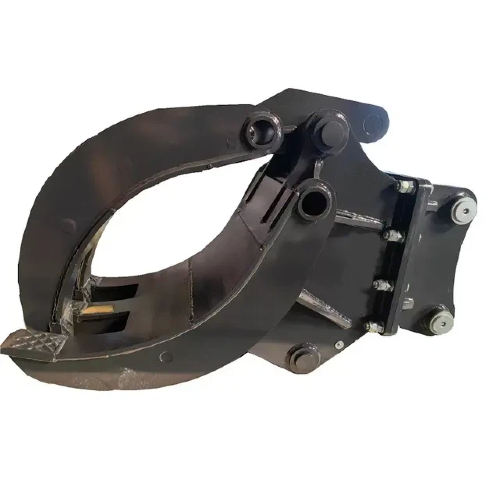
In the modern construction and material-handling industries, hydraulic grapples have emerged as one of the most practical and versatile attachments for excavators and loaders. Whether you work in demolition, forestry, waste management, or quarrying, this tool can dramatically increase efficiency and safety. But many operators and contractors still ask: Is it really worth investing in a hydraulic grapple?
This comprehensive guide breaks down the definition, working principle, benefits, applications, and long-term value of hydraulic grapple attachments to help you decide whether it’s the right addition to your equipment fleet.
Understanding the Hydraulic Grapple Attachment
A hydraulic grapple is a robust attachment designed to grasp, lift, and move large or irregularly shaped materials. It connects directly to an excavator’s hydraulic system, enabling precise control through the operator’s joystick. This combination of strength and maneuverability allows it to handle jobs that would otherwise require multiple workers or machines.
What Is a Hydraulic Grapple?
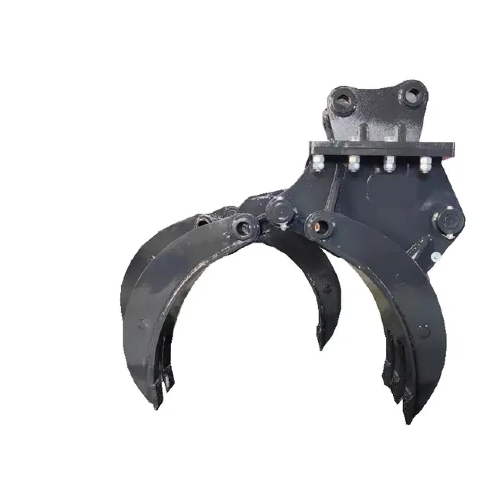
Structurally, a hydraulic grapple features two or more steel jaws (also called tines or claws) powered by hydraulic cylinders. These jaws can open and close with high force, making them suitable for gripping everything from concrete debris to timber logs.
Most grapples are constructed from high-tensile steel to ensure durability and resistance to wear in challenging environments. The design may vary—some models use curved arms for better grip on logs, while others employ straight, heavy-duty claws for demolition or scrap work.
In essence, the hydraulic grapple serves as an extension of the machine’s arm, allowing the operator to perform gripping and sorting tasks with extreme precision. Its responsiveness to hydraulic control gives it an edge over purely mechanical solutions, which rely on gravity or cables and lack the same level of control.
How Does a Hydraulic Grapple Work?
The functionality of a hydraulic grapple is based on the hydraulic power system of the carrier machine. Pressurized hydraulic fluid flows through hoses into the grapple’s cylinders, pushing or pulling pistons that move the jaws.
The basic working process can be broken down into these steps:
Hydraulic Flow Initiation: The excavator’s hydraulic pump sends pressurized oil to the grapple’s cylinders.
Cylinder Activation: Depending on the operator’s control input, the oil either extends or retracts the cylinder, opening or closing the jaws.
Precision Grip Control: Pressure adjustment allows for delicate handling of lighter materials or powerful crushing of dense debris.
Rotation Function (Optional): Many grapples include a 360° rotating head, enabling precise positioning and orientation without moving the base machine.
This combination of hydraulic pressure, controlled movement, and optional rotation provides the operator with exceptional flexibility, making the hydraulic grapple a reliable tool for tasks that demand both strength and precision.
Key Benefits of Using a Hydraulic Grapple
A hydraulic grapple provides numerous advantages that justify its cost. From operational speed to safety, its benefits span across multiple dimensions.
1. Enhanced Efficiency and Productivity
Hydraulic grapples transform how operators handle heavy or irregular loads. By replacing manual labor or less efficient mechanical attachments, they drastically shorten operation times.
Reduced Cycle Times: The ability to grip, lift, and release materials quickly allows continuous operation with fewer pauses.
Increased Throughput: Operators can move larger volumes per hour, boosting productivity on busy job sites.
Minimized Labor Dependency: One machine equipped with a grapple can perform the tasks of several workers simultaneously.
In industries where every minute counts, this efficiency directly translates into higher profitability and faster project completion.
2. Superior Versatility
Hydraulic grapples are designed for multi-purpose functionality, making them suitable for diverse working conditions. Depending on the task, users can select from different grapple types:
Grapple Type | Primary Use | Typical Material |
Demolition Grapple | Tearing down structures | Concrete, steel beams |
Log Grapple | Forestry operations | Timber, branches |
Scrap Grapple | Recycling yards | Metal, waste |
Stone Grapple | Quarrying and landscaping | Rocks, boulders |
This adaptability ensures that a single attachment can handle multiple project types, reducing the need for frequent equipment changes and additional purchases.
3. Precise Control and Stability
Hydraulic control enables smooth and proportional movement, which gives operators complete command over the gripping process. The claws can be adjusted delicately to avoid crushing softer materials, or tightened firmly for heavy-duty demolition.
Additionally, some advanced grapples include dual-cylinder systems for even distribution of force, ensuring stability when lifting uneven loads. The precision of these attachments helps prevent material damage and increases operational accuracy—especially useful for recycling, sorting, and handling delicate construction materials.
4. Reduced Operator Fatigue and Risk
One of the biggest advantages of hydraulic grapples is their ability to enhance job site safety. Operators remain inside the cab while the grapple performs heavy lifting and sorting. This reduces exposure to dangerous debris, falling materials, and manual strain.
Less fatigue means longer, more consistent performance, while automated control reduces the risk of accidents. Over time, this also lowers insurance costs and helps maintain a safer working environment.
Cost vs. Value — Is It a Worthwhile Investment?
The initial price of a hydraulic grapple attachment may seem high compared to traditional tools, but the overall return on investment (ROI) is where its true value lies.
Here’s a simplified comparison:
Aspect | Hydraulic Grapple | Mechanical Grapple | Manual Handling |
Initial Cost | High | Medium | Low |
Operating Speed | Fast | Moderate | Slow |
Labor Requirement | Minimal | Moderate | High |
Maintenance | Regular | Low | None |
Safety Level | Excellent | Average | Poor |
Precision Control | High | Limited | Manual |
ROI Over Time | Strong | Average | None |
While the upfront cost is higher, the efficiency gains, labor savings, and durability often allow the grapple to pay for itself within months of consistent use.
Applications That Benefit the Most
Hydraulic grapples thrive in sectors where material handling is repetitive, heavy, or complex. Below are the key industries that benefit most from their use:
1. Construction and Demolition
They streamline debris removal, concrete sorting, and steel handling, making demolition faster, cleaner, and safer.
2. Forestry and Logging
Forestry grapples enable easy log sorting, stacking, and transport, preventing damage to valuable timber while boosting loading efficiency.
3. Scrap and Recycling
In scrap yards, grapples handle mixed waste efficiently, separating metals, plastics, and debris for recycling processes.
4. Mining and Quarrying
They can lift and position large rocks or mineral blocks with precision, even under rugged environmental conditions.
5. Agriculture and Waste Management
From moving hay bales to sorting compost, hydraulic grapples bring speed and control to farm and waste-handling operations.
Why Industry Professionals Prefer Hydraulic Grapples
Professionals rely on these attachments for their combination of power, precision, and durability. They deliver dependable performance, withstand heavy workloads, and reduce downtime compared to standard handling tools.
Factors to Consider Before Buying
Investing in a hydraulic grapple requires careful planning. Here are essential factors to evaluate:
1. Machine Compatibility
Ensure the grapple matches your excavator’s operating weight, hydraulic pressure, and flow rate to avoid performance inefficiencies.
2. Material Type
Choose the design based on your primary task—curved tines for logs, wide jaws for demolition, or fine-grip styles for recycling.
3. Frequency of Use
Regular operation justifies higher-end models with reinforced components, while light-duty work may only require a basic configuration.
4. Maintenance and Availability of Parts
Opt for grapples with standardized components for easy maintenance. Routine greasing and inspection extend service life and prevent downtime.
5. Manufacturer Reputation and Support
Reliable brands not only deliver better quality but also provide after-sales support, ensuring consistent performance throughout the grapple’s lifespan.
Maintenance and Longevity of Hydraulic Grapples
Proper maintenance ensures stable performance and long-term durability. Neglecting routine care can lead to hydraulic leaks or mechanical failures.
Routine Inspection
Inspect tines and claws for cracks, wear, or misalignment.
Check hydraulic hoses and seals for leaks.
Tighten any loose bolts or pins to prevent joint failure.
Hydraulic System Maintenance
Use clean, high-grade hydraulic oil and change filters periodically.
Monitor for irregular motion or reduced gripping strength—signs of hydraulic pressure issues.
Avoid overloading beyond the rated capacity, as this can strain the cylinders and structure.
Storage and Cleaning
After use, clean off debris and mud to prevent corrosion. When not in operation, store the attachment under cover in a dry area. Periodic lubrication of moving parts ensures long-term reliability.
With consistent upkeep, a quality hydraulic grapple can serve effectively for many years, maintaining stable performance across different job sites.
When Is It Not Worth Getting One?
Although highly efficient, hydraulic grapples may not be ideal for every situation:
Low-Usage Scenarios: If your work rarely involves heavy material handling, a simpler mechanical attachment might suffice.
Limited Hydraulic Systems: Older or smaller machines may lack the hydraulic capacity required.
Budget Constraints: For small projects with tight budgets, the cost may exceed short-term returns.
However, for medium to large-scale operations, the productivity and safety improvements usually justify the investment many times over.
Conclusion
After examining its working mechanism, benefits, and applications, it’s evident that a hydraulic grapple attachment offers substantial value. It combines power, precision, and efficiency, turning complex material-handling jobs into smooth, streamlined operations.
For professionals aiming to maximize equipment performance and minimize manual labor, investing in a reliable hydraulic grapple is a practical and future-proof decision.
To explore high-quality designs and durable models crafted by experienced manufacturers, consider trusted suppliers like Yantai Rocka Machinery Co., Ltd., known for producing advanced excavator attachments that deliver long-lasting performance in demanding work environments.


