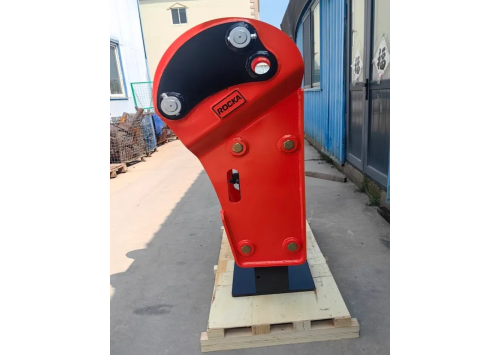
In the fast-paced and demanding world of construction, efficiency, safety, and versatility are the cornerstones of successful projects. Among the many tools and machines used on job sites, hydraulic breakers stand out as indispensable. Whether it’s demolishing old concrete, breaking rocks for road expansion, or driving foundations deep into the ground, hydraulic breakers have proven their value across a wide spectrum of construction applications.
This article explores the vital role hydraulic breakers play in modern construction, how they enhance versatility across tasks, and why they have become essential for contractors aiming to save time, reduce costs, and improve overall project outcomes.
1. What Are Hydraulic Breakers?
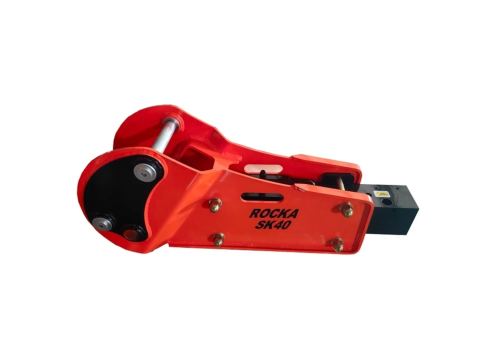
Hydraulic breakers—sometimes referred to as rock breakers or hydraulic hammers—are powerful percussion attachments typically mounted on excavators, skid steers, or backhoes. They use pressurized hydraulic fluid to drive a piston, delivering repeated high-energy blows to break down hard materials such as concrete, stone, or asphalt.
Unlike traditional demolition methods that rely on handheld tools or explosives, hydraulic breakers offer a combination of precision and raw power. Their adaptability across machines and environments makes them a go-to solution in the construction industry, where projects often demand flexibility.
2. Versatility Across Construction Applications
One of the greatest strengths of hydraulic breakers is their ability to adapt to multiple tasks within construction projects. Let’s examine the main areas where these machines deliver the most impact.
a Roadwork and Pavement Removal
Road construction and repair projects often involve breaking through asphalt or reinforced concrete. Hydraulic breakers excel at this task by efficiently removing damaged pavement and preparing surfaces for resurfacing. Their ability to deliver consistent, high-impact blows ensures that removal is quicker and more thorough than with manual methods.
For large highway projects, the use of hydraulic breakers minimizes downtime and allows for faster reopening of traffic lanes, reducing inconvenience to the public. For smaller-scale urban roadwork, compact breakers mounted on mini excavators make it possible to work in tight spaces without disrupting surrounding infrastructure.
b Foundation and Piling Work
Strong foundations are the backbone of any structure, and hydraulic breakers play a crucial role in preparing the ground. They are used to break through bedrock, hard clay, and other subsurface materials that hinder foundation installation. In piling work, breakers can assist in driving piles or breaking obstructions during excavation.
In urban construction, where soil conditions often vary, hydraulic breakers ensure that foundation work proceeds smoothly regardless of underground challenges. This adaptability makes them indispensable for skyscrapers, bridges, and other large-scale infrastructure projects.
c Quarrying and Aggregate Production
Although often associated with mining, quarrying also intersects with construction. Many road and building projects require crushed stone or aggregate materials. Hydraulic breakers are used to size down large boulders into manageable pieces before they are processed further.
The same versatility that makes breakers effective in quarrying also benefits on-site construction, where contractors may need to break down excavated rock to reuse as backfill or aggregate. This reduces material transport costs and contributes to more sustainable practices.
d Urban Demolition and Renovation
In cities, construction projects frequently involve renovating old buildings or demolishing sections of infrastructure without damaging nearby structures. Hydraulic breakers provide the precision needed for these tasks. Unlike explosives or wrecking balls, they allow controlled demolition that minimizes risks to adjacent buildings and utilities.
For example, a hydraulic breaker can be used to remove a concrete wall inside a partially occupied commercial building. By carefully applying controlled impact, contractors can dismantle structures safely while keeping surrounding operations undisturbed.
3. Advantages of Hydraulic Breakers in Construction
The widespread adoption of hydraulic breakers in construction can be attributed to several key advantages:
a Time Efficiency
Time savings are among the most obvious benefits. A single operator using a hydraulic breaker can perform tasks in hours that might otherwise take a team days to complete. This is particularly valuable on projects with strict deadlines, where delays can have significant financial implications.
b Cost Savings
By reducing the need for large labor teams and shortening project timelines, hydraulic breakers deliver substantial cost savings. They also minimize equipment redundancy since one machine can handle multiple tasks, from breaking pavement to assisting in excavation.
c Safety Improvements
Construction sites are inherently dangerous, but hydraulic breakers help mitigate risks by minimizing direct human involvement in high-risk tasks. Operators can work from the safety of enclosed cabs, avoiding exposure to dust, flying debris, or unstable structures.
d Adaptability to Different Machines
Hydraulic breakers are available in a wide range of sizes and models, making them compatible with various carriers—from compact skid steers for small jobs to large excavators for heavy-duty projects. This adaptability ensures that contractors can match the right breaker to the specific demands of each project.
e Environmental Benefits
Modern hydraulic breakers are designed with noise and vibration suppression technology, reducing their environmental footprint. This is especially important in urban construction, where noise pollution and regulatory compliance are major concerns. Additionally, by improving efficiency and reducing waste, breakers contribute to more sustainable building practices.
4. Case Studies: Hydraulic Breakers in Action
To better illustrate their versatility, let’s look at some real-world examples of how hydraulic breakers are applied in construction.
Highway Expansion Projects: During large-scale highway expansions, contractors used hydraulic breakers to quickly remove old road surfaces and break through rocky terrain for new lanes. The speed of the process reduced project duration by several weeks.
Urban Redevelopment: In a downtown renovation project, hydraulic breakers were deployed to demolish outdated parking structures. The controlled nature of the work ensured that nearby office buildings and utilities remained unaffected.
Bridge Construction: For the foundation of a new bridge, hydraulic breakers helped break through layers of rock and prepare the site for piling work. Their adaptability ensured progress despite difficult ground conditions.
5. Selecting the Right Hydraulic Breaker for Construction
Not all hydraulic breakers are the same, and choosing the right one is critical for maximizing performance and efficiency. Factors to consider include:
Carrier Compatibility: Ensuring the breaker matches the size and hydraulic capacity of the carrier machine.
Material Hardness: Selecting breakers designed for the specific type of material (concrete, asphalt, stone, etc.).
Operating Environment: Urban projects may require breakers with noise suppression, while remote projects may prioritize raw breaking power.
Maintenance Requirements: Breakers with advanced lubrication and simplified maintenance features reduce downtime and improve reliability.
By working with experienced suppliers and manufacturers, contractors can find solutions tailored to their project needs.
6. The Future of Hydraulic Breakers in Construction
As construction technology continues to evolve, hydraulic breakers are also advancing. Smart features such as automatic power adjustment, real-time monitoring, and improved energy efficiency are making breakers even more effective and environmentally friendly. In the future, integration with digital platforms could allow operators to monitor breaker performance remotely, schedule predictive maintenance, and optimize workflows across job sites.
This evolution ensures that hydraulic breakers will remain a critical component of construction equipment fleets, delivering versatility and value across increasingly complex projects.
Conclusion
Hydraulic breakers have transformed modern construction by offering unmatched versatility, from roadwork and pavement removal to foundation preparation and controlled demolition. Their ability to save time, reduce costs, and enhance safety makes them indispensable for contractors seeking efficiency and reliability.
As construction projects grow more demanding, the role of hydraulic breakers will only expand, supported by technological innovations that improve precision, sustainability, and operator comfort.
For contractors and project managers looking to harness the full potential of hydraulic breakers, partnering with a trusted supplier is essential. To learn more about advanced hydraulic breaker solutions tailored for construction applications, visit Yantai Rocka Machinery Co., Ltd. Their expertise in high-quality hydraulic attachments makes them a reliable partner for projects of every scale.


