Quarrying has been central to human civilization for centuries, supplying stone for roads, buildings, monuments, and infrastructure. From ancient hand tools to modern mechanized systems, methods of stone extraction have evolved significantly. Today, one of the most critical innovations for quarry operations is the hydraulic breaker.
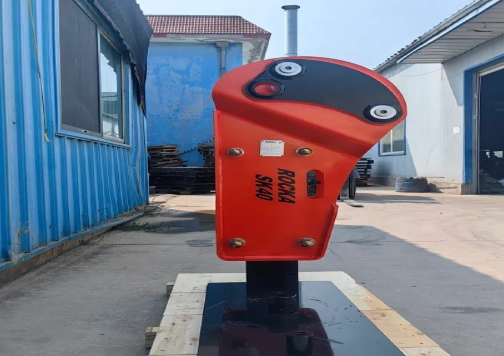
Hydraulic breakers, often called hydraulic hammers, are attachments fitted to excavators or other heavy equipment. They use hydraulic power to deliver repeated blows to rock surfaces, enabling efficient fragmentation without the need for constant drilling and blasting. In the demanding environment of quarrying, where precision, productivity, and safety are paramount, hydraulic breakers provide operators with a versatile and highly effective tool.
This article explores the role of hydraulic breakers in quarrying, their benefits, applications, and best practices for maximizing efficiency in stone extraction.
1. Understanding Hydraulic Breakers
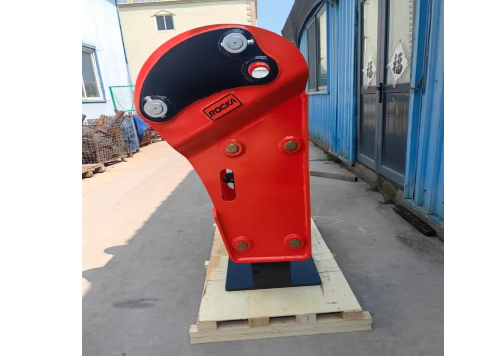
A hydraulic breaker is a percussion hammer powered by an excavator’s hydraulic system. It consists of a robust housing, a piston powered by hydraulic fluid, and a chisel or tool bit that directly impacts rock. When activated, hydraulic pressure moves the piston rapidly, striking the tool and transferring immense energy into the stone.
Breakers can deliver hundreds of blows per minute, breaking rocks into transportable or processable sizes. Compared to traditional blasting methods, hydraulic breakers offer greater control, reduce downtime, and enhance overall safety.
2. The Importance of Hydraulic Breakers in Quarrying
Stone quarries constantly deal with demanding conditions such as extremely hard rock formations, massive boulders, and the need for precise, safe, and efficient extraction. Traditional methods like blasting have long been used to break rock, but they come with limitations, including strict regulatory requirements, safety risks, and workflow interruptions. This is where hydraulic breakers have become indispensable.
Reducing Overdependence on Blasting
While blasting remains a standard technique for initial rock fragmentation, it requires permits, compliance with safety regulations, and temporary work stoppages during preparation and execution. Hydraulic breakers provide an alternative that allows quarrying operations to continue without interruption. They can be deployed instantly to deal with oversized rocks or obstructions, ensuring that production schedules remain on track.
Providing Controlled Fragmentation
Unlike blasting, which often results in irregularly sized and shaped fragments, hydraulic breakers allow operators to manage rock fragmentation with far greater precision. This control ensures that material is broken down to sizes suitable for transport and crushing, minimizing waste and reducing strain on processing equipment.
Improving Safety
The use of explosives always involves significant risk, including flying debris, misfires, and vibrations that may destabilize quarry walls. Hydraulic breakers reduce these hazards by offering a safer, more controlled approach. Workers can remain at a safer distance while the breaker delivers consistent, targeted blows.
Increasing Efficiency
Time is a critical factor in quarry operations. Hydraulic breakers allow operators to deal with oversized boulders immediately at the extraction site, preventing blockages and delays in the workflow. By streamlining material handling, they help maintain steady production rates, reduce downtime, and enhance overall operational efficiency.
In summary, hydraulic breakers are not just convenient tools but vital assets in modern quarrying. They enhance safety, precision, and productivity, while providing quarry operators with flexibility beyond what traditional blasting can offer.
3. Applications of Hydraulic Breakers in Quarrying
Hydraulic breakers play multiple roles across different stages of quarrying operations:
a Primary Breaking
When large boulders or rock formations obstruct excavation, hydraulic breakers are used to fragment them into smaller, manageable pieces. This ensures loaders and crushers can process material without delays.
b Secondary Breaking
After blasting, oversized rocks often remain. Breakers are deployed to reduce these fragments to sizes suitable for transport and crushing, preventing equipment damage and downtime.
c Bench and Face Work
In quarries, benches and faces require precise shaping for safety and operational efficiency. Hydraulic breakers help remove unstable rocks, smooth edges, and prepare benches for further work.
d Dimension Stone Quarrying
For operations extracting dimension stone (granite, marble, limestone), precision is vital. Breakers allow controlled splitting without causing excessive cracks, preserving stone quality.
e Infrastructure Demolition within Quarries
Hydraulic breakers are also used to demolish obsolete concrete structures, foundations, or roadways within quarry sites.
4. Benefits of Using Hydraulic Breakers in Stone Extraction
a Maximized Efficiency
Hydraulic breakers eliminate the waiting periods associated with blasting schedules. Operators can address oversized material immediately, keeping extraction and processing consistent.
b Reduced Operational Costs
Although hydraulic breakers require investment, they reduce costs associated with explosives, drilling, and labor. Breakers also lower fuel consumption by preventing repeated handling of oversized material.
c Enhanced Safety
Controlled breaking minimizes the dangers of flying rock fragments, vibration damage, and exposure to explosives. This creates safer conditions for workers and nearby equipment.
d Environmental Friendliness
By reducing reliance on explosives, hydraulic breakers help minimize noise pollution, vibration impact on nearby communities, and environmental disturbance.
e Versatility
Hydraulic breakers are not limited to quarrying. They can transition easily between quarry, mining, construction, and demolition projects, making them a cost-effective investment for contractors.
5. Factors to Consider When Choosing a Hydraulic Breaker for Quarrying
To maximize efficiency, it’s important to select the right breaker for quarry applications. Key considerations include:
Carrier Compatibility – The breaker must match the hydraulic flow and pressure of the excavator.
Rock Hardness – Harder rocks like granite or basalt require heavy-duty breakers with higher impact energy.
Tool Type – Choosing the correct chisel or moil point enhances performance for specific quarrying tasks.
Duty Cycle – Quarries demand continuous operation, so durability and cooling efficiency are critical.
Serviceability – Breakers with easy maintenance access and wear-resistant components reduce downtime.
6. Best Practices for Using Hydraulic Breakers in Quarries
To extend lifespan and optimize performance, quarry operators should follow best practices:
Regular Lubrication – Proper greasing reduces friction and prevents overheating of the tool.
Avoid Blank Firing – Striking without contact damages internal components.
Monitor Hydraulic Systems – Consistent pressure and flow prevent wear on both the breaker and carrier.
Inspect Tooling – Worn chisels reduce efficiency and can damage the breaker housing.
Scheduled Maintenance – Periodic checks on seals, bushings, and pistons ensure long-term reliability.
7. The Future of Hydraulic Breakers in Quarrying
Advancements in hydraulic breaker technology continue to reshape quarrying practices. Future trends include:
Noise and Vibration Reduction – Improved designs for compliance with environmental and occupational standards.
Smart Monitoring Systems – Sensors that track usage, performance, and maintenance needs in real time.
Automatic Lubrication Systems – Reducing manual upkeep and ensuring consistent tool performance.
Energy-Efficient Designs – Lowering fuel consumption and extending machine operating hours.
These innovations will make hydraulic breakers even more integral to sustainable quarrying, helping operators meet rising demand while reducing environmental impact.
Conclusion
Quarrying is a demanding industry where efficiency, safety, and productivity determine profitability. Hydraulic breakers have become indispensable tools in this environment, offering controlled, reliable, and versatile solutions for stone extraction. From breaking oversized rocks to shaping quarry benches and ensuring continuous workflow, these machines maximize output while minimizing downtime and risk.
For quarry operators seeking durable, high-performance hydraulic breakers, partnering with an experienced manufacturer is essential. Yantai Rocka Machinery Co., Ltd. provides a wide range of hydraulic breakers designed specifically for tough quarrying conditions. With advanced technology, robust engineering, and a commitment to quality, they help operators maximize efficiency while reducing long-term costs. To learn more about their products and services, consider reaching out to them for tailored solutions.


