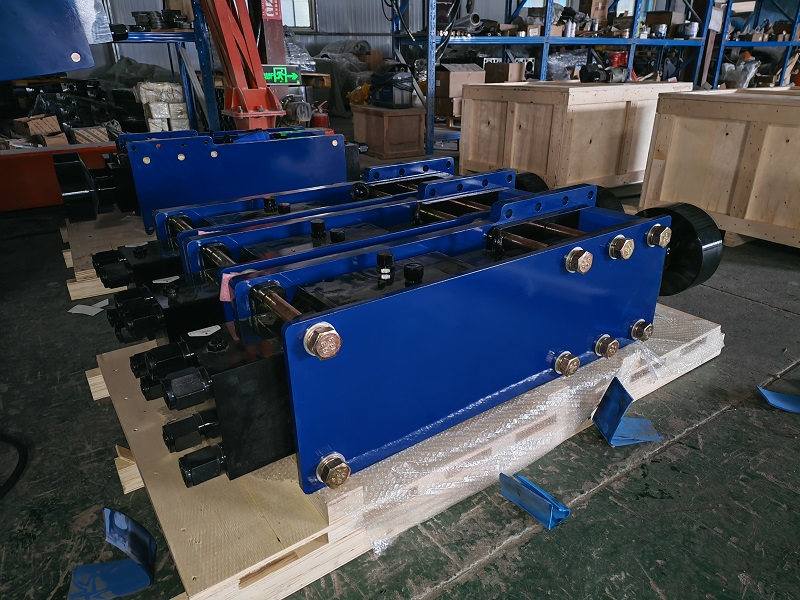
Introduction
Manual post driving takes time and effort, and posts often tilt or sink unevenly in hard soil. This raises a common question: how does a hydraulic post driver work?
On farms and construction sites, hydraulic drivers replace manual tools and deliver strong, controlled impact for faster installation. Systems used in equipment like ROCKA post drivers improve stability, efficiency, and consistency.
In this article, you will learn how a hydraulic post driver works, its key components, and the driving process. You will also see why many contractors choose reliable solutions such as ROCKA post drivers for efficient post installation. Learn more about our products.
What Is a Hydraulic Post Driver
Definition of a Hydraulic Post Driver
A hydraulic post driver is a machine designed to install posts into the ground using hydraulic force. The system normally connects to equipment such as skid steer loaders, tractors, or excavators. Once attached, the machine uses hydraulic pressure from the carrier equipment to power the internal driving mechanism.
The primary function of a hydraulic post driver is to deliver repeated impact force to the top of a post. This impact pushes the post into the soil until it reaches the required depth. Because hydraulic systems can generate high pressure, the machine produces strong and consistent impacts that are difficult to achieve with manual tools.
Hydraulic post drivers are widely used in agriculture for fencing, in construction for temporary barriers, and in infrastructure projects for guardrails or signposts. Their ability to operate in different soil conditions makes them highly versatile tools in modern equipment fleets.
Key Components of a Hydraulic Post Driver
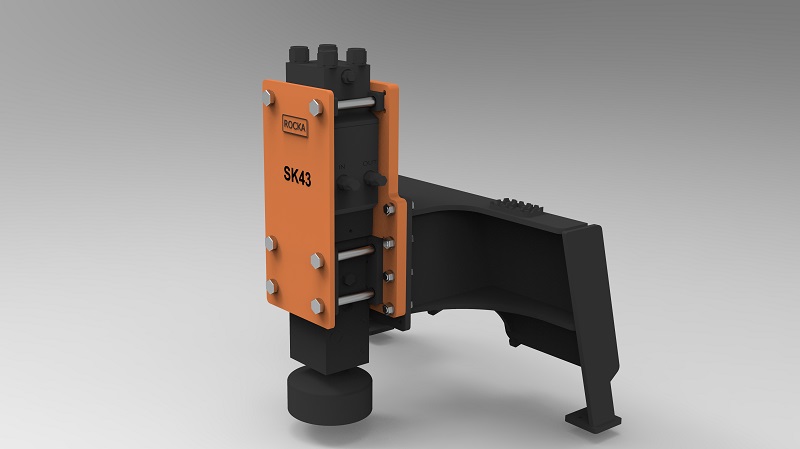
A hydraulic post driver contains several critical components that work together to create driving force. Each part contributes to the overall performance and reliability of the system.
The most important components include:
Component | Function |
Hydraulic Pump | Generates hydraulic pressure |
Hydraulic Cylinder | Converts pressure into movement |
Driving Head or Hammer | Transfers force to the post |
Control Valve System | Regulates hydraulic flow |
Frame Structure | Supports and stabilizes the system |
The hydraulic pump sends pressurized fluid through hoses into the hydraulic cylinder. The cylinder converts this pressure into mechanical motion, which moves the hammer or driving head. The driving head then strikes the post repeatedly, pushing it deeper into the ground.
Types of Hydraulic Post Drivers
Hydraulic post drivers are available in several configurations depending on the type of equipment they attach to and the job requirements.
Common types include skid steer mounted drivers, excavator mounted drivers, and tractor mounted systems. Skid steer versions are popular in fencing and landscaping because they provide excellent maneuverability. Excavator drivers are often used for heavier construction projects where greater driving force is required.
Each design focuses on compatibility with hydraulic flow rate and operating pressure. Many modern manufacturers such as ROCKA design hydraulic attachments that support multiple carrier machines and flexible mounting configurations, allowing operators to switch equipment quickly without compromising performance.
Hydraulic Post Driver Working Principle
Hydraulic Power Generation
The operation of a hydraulic post driver begins with hydraulic power generation. Hydraulic pumps push fluid through hoses under high pressure. This fluid carries energy throughout the hydraulic system.
Because hydraulic oil is nearly incompressible, it transfers energy efficiently from the pump to the working components. This property allows the system to deliver powerful and consistent driving force.
The hydraulic pressure generated by the pump becomes the primary energy source that powers the entire post-driving mechanism.
Conversion of Hydraulic Pressure to Mechanical Force
Once hydraulic pressure reaches the cylinder, it converts fluid energy into mechanical motion. The hydraulic cylinder contains a piston that moves when pressurized fluid enters the chamber.
When the piston moves, it pushes or lifts the hammer mechanism inside the post driver. This motion prepares the hammer for the next impact stroke.
The conversion from hydraulic pressure to mechanical movement allows the machine to generate controlled and repeatable force. As a result, the operator can drive posts to the correct depth without damaging the material.
Hammering or Driving Mechanism
The hammer or driver head is responsible for delivering impact force to the post. After the piston lifts the hammer, hydraulic pressure is released or redirected. This allows the hammer to drop or strike downward with significant force.Each impact transfers energy directly to the top of the post. The repeated blows gradually push the post deeper into the soil.
This hammering process continues until the desired depth is reached. Because the impacts are consistent, the post remains aligned and stable during installation.
Energy Transfer During Post Driving
Energy transfer is a key factor in hydraulic post driver efficiency. When hydraulic pressure moves the piston, potential energy builds within the hammer system.When the hammer strikes the post, that energy converts into kinetic force. The force travels through the driver head and into the post structure.Efficient energy transfer ensures that most of the hydraulic power becomes useful driving force. This efficiency allows the machine to handle dense soil conditions and larger post sizes.
Hydraulic System Pressure Control
Control valves regulate hydraulic fluid flow throughout the system. These valves determine when pressure enters the cylinder and when it is released.By controlling the fluid flow, operators can adjust the driving speed and impact force. This flexibility allows the machine to adapt to different soil types and post materials.Pressure control also protects the equipment from overload by preventing excessive force in the hydraulic system.
Impact Cycle of a Hydraulic Post Driver
A hydraulic post driver works through a repeating impact cycle. The process involves lifting the hammer, releasing it, and delivering an impact.
Step | Action |
1 | Hydraulic pressure lifts piston |
2 | Hammer moves to upper position |
3 | Pressure release triggers downward strike |
4 | Hammer impacts post |
5 | Cycle repeats |
This rapid sequence may occur hundreds of times per minute depending on the equipment design.
Tip:Maintaining stable hydraulic oil flow helps ensure smoother hammer cycles and consistent post installation depth.
Step-by-Step Process of Driving a Post
Attaching the Post Driver to Equipment
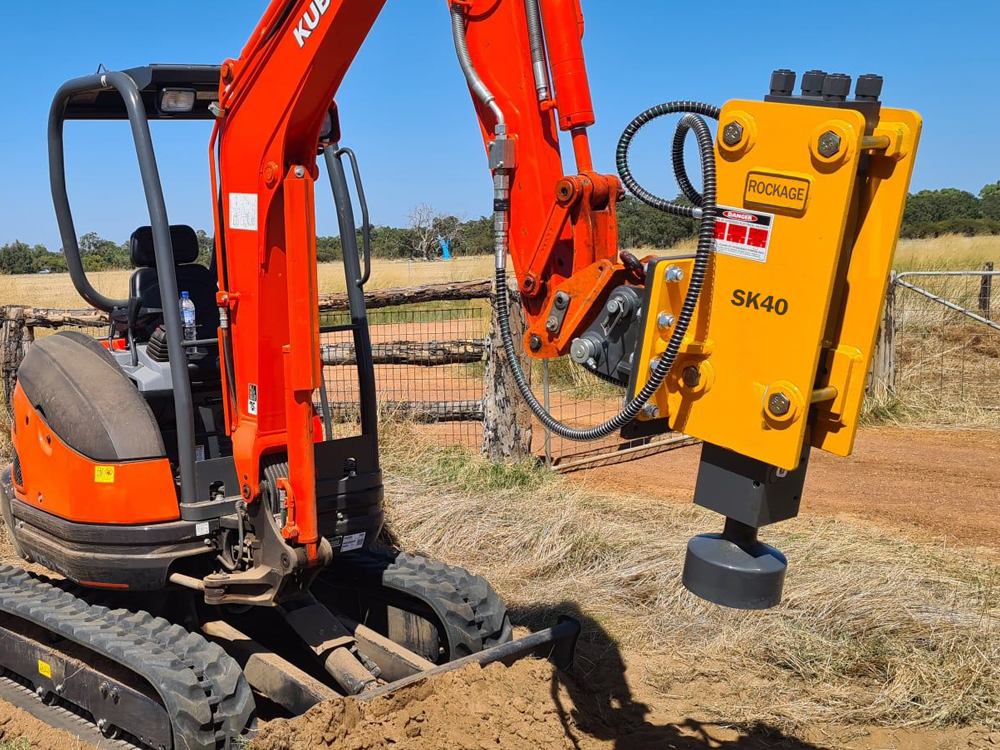
Before operation, the hydraulic post driver must be attached to a compatible machine. Common carriers include skid steer loaders, excavators, and tractors.Hydraulic hoses connect the driver to the machine’s auxiliary hydraulic outlets. These connections allow hydraulic fluid to flow into the driver system.
Positioning the Post and Machine
After attachment, the operator positions the equipment at the installation location. The post is placed beneath the driver head.Accurate alignment is important to ensure the post enters the ground vertically. Many drivers include guides or sleeves to stabilize the post during installation.
Activating the Hydraulic System
Once the post is aligned, the operator activates the hydraulic controls. Hydraulic fluid begins flowing into the driver mechanism.The internal piston starts moving as hydraulic pressure builds. This motion prepares the hammer for the first strike.
Delivering Repeated Impact Force
The hammer repeatedly strikes the top of the post, pushing it deeper into the soil. Each impact adds incremental penetration.Operators monitor the process until the post reaches the desired depth. At that point, hydraulic power is stopped and the driver moves to the next post.
Hydraulic System Components Explained
Hydraulic Pump
The hydraulic pump generates the pressure needed to operate the post driver. It pulls hydraulic fluid from the reservoir and forces it through the system.
Hydraulic Fluid
Hydraulic fluid transfers pressure through hoses and internal channels. Its stability and lubrication properties help maintain smooth system operation.
Hydraulic Cylinder
The cylinder converts hydraulic pressure into mechanical motion. Inside the cylinder, a piston moves forward and backward during the driving cycle.
Control Valves
Control valves regulate the direction and speed of fluid flow. These valves allow operators to manage the impact force and cycle speed.
Applications of Hydraulic Post Drivers
Hydraulic post drivers serve many industries because they install posts quickly and accurately.In agriculture, farmers use them to build long fence lines around fields or livestock areas. In construction, contractors use them for temporary barriers and support posts.Landscaping companies install signposts, boundary markers, and decorative structures using hydraulic drivers. Infrastructure projects also rely on them for guardrails and small foundation posts.
Industry | Typical Application |
Agriculture | Fence installation |
Construction | Temporary barriers |
Landscaping | Signposts |
Infrastructure | Guardrails |
High-performance hydraulic attachments, including those developed by ROCKA, are designed to maintain strong penetration power even in compact soil or rocky environments while reducing operator fatigue during long working hours.
Advantages of Using a Hydraulic Post Driver
Hydraulic post drivers provide several advantages compared with manual post-driving methods.First, they dramatically increase installation speed. Operators can install hundreds of posts in a single day. Second, they provide consistent force, ensuring posts are driven straight and stable.Another benefit is reduced physical labor. Instead of manual hammering, operators control the process from the equipment cabin. This reduces fatigue and improves safety.Hydraulic systems also provide adjustable force levels. This allows the same machine to work with wood, steel, or composite posts across different soil conditions.
Safety Tips When Operating a Hydraulic Post Driver
Operating heavy equipment always requires careful safety practices.Workers should wear protective equipment such as helmets, gloves, and safety glasses. These items protect against debris and impact hazards.Before starting the machine, operators must inspect hydraulic hoses and structural components. Loose connections or damaged parts can cause equipment failure.Maintaining safe distances is also critical. Bystanders should stay away from the operating area while the driver is active.Operators should also check for underground utilities and overhead power lines before driving posts.
Maintenance of Hydraulic Post Drivers
Proper maintenance ensures reliable performance and long service life.Routine lubrication helps reduce friction and heat in moving parts. Hydraulic hoses should be inspected regularly to detect leaks or damage.Operators should also monitor hydraulic fluid levels and replace contaminated fluid when necessary. Clean fluid prevents wear in pumps and valves.When not in use, the machine should be stored in a dry and protected environment. Proper storage prevents corrosion and extends equipment lifespan.
Maintenance Task | Purpose |
Lubrication | Reduce friction |
Hose inspection | Prevent leaks |
Fluid monitoring | Maintain pressure stability |
Proper storage | Prevent corrosion |
Conclusion
A hydraulic post driver uses hydraulic force to drive posts quickly and accurately.This system improves efficiency and safety in fencing and construction work.Reliable equipment such as ROCKA post drivers offers strong impact, durability, and stable performance for demanding job sites.
FAQ
Q: How does a hydraulic post driver work?
A: A hydraulic post driver uses hydraulic pressure to move a piston and hammer that repeatedly strikes the post, driving it into the ground quickly and accurately.
Q: What is a hydraulic post driver used for?
A: A hydraulic post driver is used for installing fence posts, signposts, and structural posts in agriculture, construction, and landscaping projects.
Q: Why choose a hydraulic post driver instead of manual tools?
A: A hydraulic post driver provides stronger impact force, faster installation speed, and better alignment compared with manual post driving methods.
Q: Can a hydraulic post driver work in hard soil?
A: Yes. A hydraulic post driver delivers consistent hydraulic hammer force, allowing it to drive posts efficiently even in compact or rocky soil.


